Showing posts with label Island. Show all posts

Thursday, July 9, 2009

Kizhi Island


Kizhi Island i one of over 1650 islands of lake Onega,in the Karelia Republic in Russia. Located approximately 300 km from ST. Petersburg, Onega Lake is the second Largest lake in Europe after lake Landoga Kizhi is one the largest open air museums in Russia, features a beautifull ensemble of 83 wooden structures,most of which date back to the 16th.


The kizhi outdoor museum allows visitors to experience the ancient culture and crafts of the Russia North. it is open to the public from may 25 to October 15 from 9.00 AM. to 8.00 PM. For

Friday, July 3, 2009

Fracer Island


The island located about three and half hour drice north of brisbane and over 120 km southern of queensland,Australia.It is one of the top ten most beautifull islands in the world.Approximately 600,000 visitors come to fraser island each year.


Wednesday, June 10, 2009

Barcelona Beach


The beach in Barcelona is not the greatest you'll ever see, but it's a nice place for a relaxing walk or for a swim in the sea. In the background of the photo you can see the building shaped like a fish. It's called pescado and was build for the Barcelona Olympic Games.

Sunday, May 24, 2009

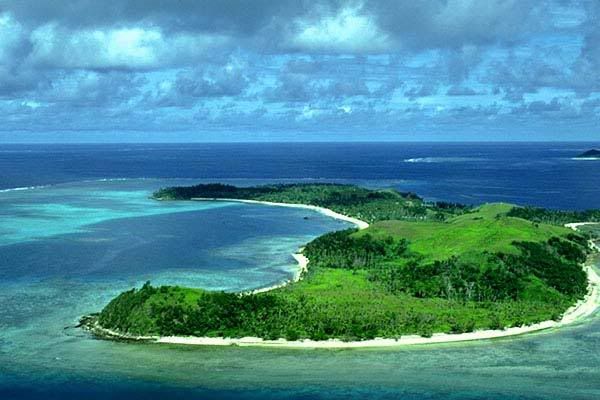
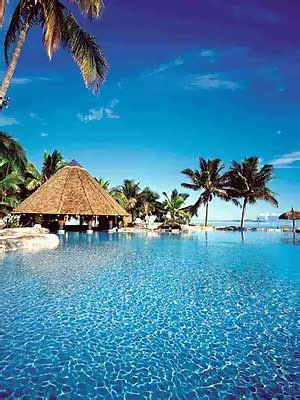
Fiji Islands

The Republic of the Fiji Islands is an island nation in the South Pacific Ocean east of Vanuatu, west of Tonga and south of Tuvalu. The country occupies an archipelago of about 322 islands, of which 106 are permanently inhabited, and 522 islets. It covers about 1.3 million square kilometers of the South Pacific Ocean. The two major islands are Viti Levu and Vanua Levu. After nearly a century as British colony and the British brought over Indian contract labourers, Fiji became independent in 1970. Today Fiji has one of the most developed economies of the Pacific islands.

Viti Levu hosts the capital city of Suva, and is home to nearly three quarters of the population. Other important towns include Nadi (the location of the international airport), and the second city -Lautoka (the location of a large sugar mill and a seaport). The main towns on Vanua Levu are Labasa and Savusavu. Other islands and island groups include Taveuni and Kadavu (the third and fourth largest islands respectively), the Mamanuca Group (just outside Nadi) and Yasawa Group, which are popular tourist destinations, the Lomaiviti Group, outside of Suva, and the remote Lau Group. Rotuma, some 500 kilometres (310 mi) north of the archipelago, has a special administrative status in Fiji. Fiji’s nearest neighbour is Tonga. The climate in Fiji is tropical and warm most of the year round.

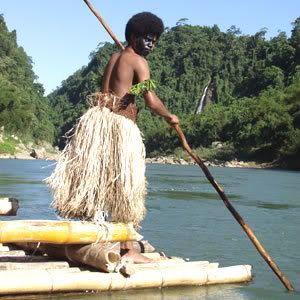
Fiji’s culture is a rich mosaic of indigenous, Indian, Chinese and European traditions, comprising social polity, language, food (based mainly from the sea, casava, dalo & other vegetables), costume, belief systems, architecture, arts, craft, music, dance and sports.

The indigenous culture is very much active and living, and is a part of everyday life for the majority of the population. However, it has evolved with the introduction of old cultures like the Indian and Chinese ones, as well as a large influence from Europe, and from various Pacific neighbors of Fiji, mainly the Tongan and Rotuman. The culture of Fiji has created a unique communal and national identity.

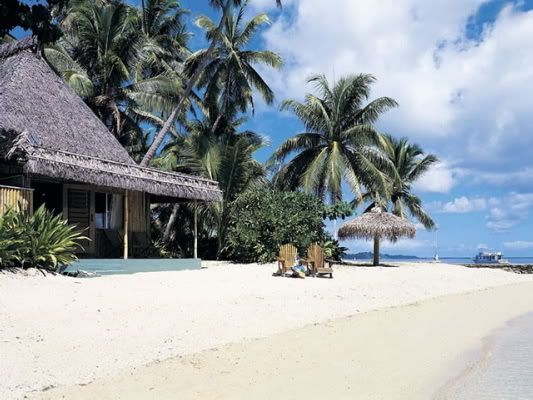
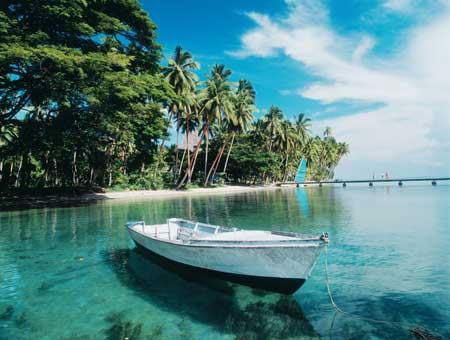
With hundreds of Fiji Islands to visit, there is plenty to see and do on your Fiji Vacation. Snorkel and Scuba dive in some of the worlds most beautiful tropical reefs, kayak along the coast line, or hike through one of the many tropical rain forests, the Fiji Islands have it all!

Zanzibar - The Spice Island


Perfect place if you are bored with mass tourism and seeking an enlightening holiday experience which you will remember forever. Zanzibar islands lies 25-50 km (15-30 mi) off the coast of Tanzania in the Indian Ocean. Zanzibar Archipelago consists of numerous small islands and two large ones: Unguja (the main island, informally referred to as “Zanzibar”), and Pemba. Over time Zanzibar Island has seen the change from the trade center to a romantic island where people come to seek the quietness of the blue-waters, relax on the sandy beaches, go diving or snorkeling.

Zanzibar’s coastline offers some of the best beaches in the world. The majority of them are along the East Coast, where shallow tirquiz water allow you to see a wealth of life just beneath the surface - starfish, small minnows, anemones. This is where you can truly relax as the beaches are uncrowded, no major resorts, only beautifull untouched fishing villages. Up north, ocean swimming is much less susceptible to the tides, and smooth beaches and white sand make for dazzling days in the sun. The beach is just magnificent, crystal blue water. Under the water a coral reef provides the backdrop for great snorkelling and world-class scuba diving. Above it, windsurfing, kayaking and state-of-the-art big game fishing are favourite holiday pastimes. Nearby is the Mnemba Island and an untouched atoll off the coast of Zanzibar, a prime dive site known world wide. Selected by Condé Nast Traveler as one of the three most romantic ocean destinations in the world, Mnemba surpasses all expectations.

Zanzibar has some amazing history. It was originally believed that Zanzibar first settled by Africans, 3000 to 4000 years ago. Many centuries later, inhabitants from Greece, Egypt, Persia, China, India, Arabia, Europe began to settle, each leaving behind a legacy of their stay. An incredible mixture of ethnic backgrounds.Through all the intermarriages, the language of Kiswahilli was born. This forms the base of the present day language Swahili, which is the language spoken in Zanzibar and extensively in East Africa.The population of Zanzibar is about 800,000, 95% Muslim and 5% Christians and they all live in harmony. The people are very friendly and helpful.

The island has a rich history as it used to be the epicenter of the spice and slave trade in Africa. So there are many interesting places to visit in Zanzibar. Stone Town, the National Museum, Livingstone House, House of Wonders, Peoples Palace, Old Fort, Hamamni Baths, Cathedral Church of Christ, Tippu Tip House, Kizimkazi, Maruhubi and other ruins at Chuini, Dunga, Kidichi, Kizimbani and Bungi, Jozani forest reserve, Changu or Prison Island, spice plantations etc. Freddie Mercury (Queen) the famous rock star was born in Stone Town Zanzibar. His house is now made into a little restaurant, outside is a board with pictures of him and a brief about him, that was very cool to see.

Full of variety and above all fragrant, Zanzibar is the Spice Island, a place with romantic allure that thrives on its centuries old association with aromatic cinnamon, white cloves and cardamoms. You can taste fresh peppercorns, vanilla, nutmeg, cinnamon, coconut- it still grow wild there.Exotic forests are scented with the delicate fragrance of ylang-ylang, hibiscus and jasmine and the heady aroma of cloves and cardamoms. There are no large wild animals in Zanzibar, and forest areas such as Jozani are inhabited by rare Red Colobus monkeys, bush-pigs, small antelopes, wide variety of birdlife and a large number of butterflies in rural areas. Civets (and rumour has it, the elusive Zanzibar leopord!) and various species of mongoose can also be found on the island. On the south coast of Zanzibar lies the Menai Bay Conservation Area, a sea turtle protection area for the endangered species that come to breed on the island. Stunning coral gardens are home to more than 350 fish species recorded. The diverse aquatic life off Zanzibar’s coast includes frequent sightings of turtles and dolphins, as well as occasional sightings of humpback whales and whale sharks!

Stonetown is the main city on the island of Zanzibar, and was the true heart of the spice and slave trade. Today is a World Heritage Site. Reputedly the only ancient town in East Africa still flourishing, Stone Town has changed little since the 19th century. It’s a delightful place of narrow alleys, crumbly mosques and grand Arab houses with giant brass-studded wooden doors.There are more than 500 ornately-carved doors. In this colourful, highly scented labyrinth, veiled women bargain noisily in crowded craft and food shops. Many of the buildings in the this town are built with local coral. Stone town is an excellent place to purchase arts, crafts, and antiques.

Zanzibar experiences ideal holiday weather for most of the year, with the exception of April and May which are seasonally subject to the long rains. Short rains can occur in November, but, do not last long. The heat of summer is seasonally often cooled by windy conditions, resulting in pleasant sea breezes, particularly on the North and east coasts. Being near to the equator, the islands are warm all year round, but officially, summer and winter peak in December and June respectively. Zanzibar is blessed with and average of 7-8 hours of sunshine daily.

Lord Howe Island

Most beautiful island in the Pacific, an exceptionally beautiful holiday destination which has become one of those secrets that visitors prefer to keep to themselves. Born from a volcanic eruption some seven million years ago, Lord Howe Island boasts the southern-most coral reef in the world. The island is listed as a World Heritage site for its rare plants, birds, marine life and its breathtaking natural beauty. Just 11 km long and 2 km wide, two thirds of its land mass is covered by Banyan trees, Pandanus and native Kentia Palm forests. The crystal waters that abound in marine life comprises over 400 species of fish, 90 species of coral, 4% of which is unique to the Island. Both visitors and the community are committed to the protection of its fragile and unique environment.

Lord Howe is the perfect place for nature-lovers, adventure seekers and romantic getaways. It is a paradise with serene opal lagoons, shallow warm ocean, pristine beaches, perfect golden sands, secluded bays. The Island has a spectacular underwater topography of trenches, caves and volcanic drop-offs. One of the Island’s icons, the majestic Ball’s Pyramid – the largest monolithic sea rock in the world - is part of the same undersea ridge called the Lord Howe Rise.

Lord Howe Island has a plenty of land and water based activities for you to enjoy. Expirience guided and self-guided bush treks, fish feeding at Ned’s Beach, bicycling, bird watching tours, cruising around the Island, kayaking, fishing, reef walking, snorkelling and scuba diving, or just laying around in a world class world heritage environment. Visit the palm nursery, Lord Howe Island museum,play 9 holes on the most picturesque course in Australia. And to ease tired muscles, there is a choice of spa treatments.

A mere 280 people are lucky enough to call the Island home. Lord Howe Island allows only 400 visitors at any one time which means you can have your very own little piece of this exclusive paradise. Lord Howe Island is not a ‘resort’ island: almost all the accommodation is owned and operated by islanders and ranges from self-catering cottages and apartments, to traditional guesthouses through to boutique luxury lodges. Lord Howe is less than two hours by air from Sydney or Brisbane.

Boracay island, Philippines

White ripples of sand formed in the pristine waters as small sailboats glided peacefully in the horizon. The water is beautiful with many different shades of blue colored like a pastel painting. Seeeing that it can be easily understood why Boracay Island was known as the “Jewel of the Philippines”. This pearl among tropical islands was well-guarded secret paradise, until 1970s. From around that time Boracay island slowly graduated from a private travellers hangout to a favourite tourist destination in the Philippines and place with the best beach in the world.

Boracay is a tropical island in the Philippines, an hour flight from Manila. The island is approximately seven kilometers long, dog-bone shaped with the narrowest spot being less than one kilometer wide. Island is famous for its powder-fine white sand, clear warm water and nice, pleasant weather all year round.

Take a boat trip around the island and you’ll discover many beautifull beaches. Boracay’s two primary tourism beaches, White Beach and Bulabog Beach, are located on opposite sides of the island’s narrow central area. White Beach faces westwards, it’s 4km long and can be crowded. Skimboarding has come to Boracay in a big way. Skimboarding is a clean and cheap sport, and has become popular along White Beach. The locals teach visitors the basics. A large variety of gourmet restaurants with food from many cultures are all within walking distance this magnificant white beach. Fine French cuisine, swiss food, several true Italian restaurants and wooded oven pizzerias, local Philippine food, sea food, Chinese and Thai food, Korean and many other food specialties. Bulabog Beach faces eastwards and presents the best kiteboarding and watersport beach in Asia, due to the unique wave breaking reefs and ideal wind situations. There are numerous competitions and events here as well. It is also less developed and quieter than White Beach. Visit Kingfisher’s Farm where you can fish for your lunch and the staff will grill up your catch. Diving is extremely popular around Boracay. The waters surrounding Boracay have excellent sites for beginners and experienced divers alike. The waters are packed with vibrant fish and reefs, wreck sites, caves and canyons. There are 30+ great dive sites within 30 minutes of Boracay.

On the north there is also the beautiful and undeveloped Puka Shell Beach which is an image of what most people expect on a tropical island: white sand, azure water, and relatively empty. This is where locals gather the small puka shells for some of the jewelry that is sold on the island. While here you can visit Bat Caves home to thousands of giant fruit bats. At twilight, thousands emerge from these caves and fly over White Beach in search of fruit on Boracay and other surrounding islands.

Shuttered in from the rest of the island by flamboyant greens and great hills, the Newcoast Beach at Boracay’s edge remains one of the best-kept secrets of Boracay where the old ways of enjoying the island are pretty much left untouched. The Dead Forest, a scenic spot believed to be populated by elemental spirits, is likewise located within the boundaries of village Manoc-Manoc. A product of ecological disturbance, the Dead Forest, also known as the Sunken Forest was created when a dam that kept off the saltwater broke down, destroying the swamp and killing off the mangroves that grew in it. With dead tree trunks sticking out of stagnant water, the Dead Forest presents a highly romantic scene surrounded by old folk tales about ghosts and goblins. Local folk believe supernatural occurrences take place here, particularly on full moon nights.

Boracay is a vacationer’s paradise, with luxury 5 star hotels, through traditional bungalows; something for anyone’s budget and taste. Choose from native, so-called nipa huts (cottage made of wood, bamboo and Nipa-palm leaves, modern and spacious cottages, all kind vacation houses along the beach and on hilltops overlooking the sea, and modern resorts and hotels with swimmingpools and spas. Boracay is above else famous for it’s nightlife, with pubs and bars of all kinds that are jumping until very late at night. If you are looking for perfect place to spend your honeymoon - look no further. Romantic scenery will surround you on every step you make on Boracay island.

High Season starts in October and ends in May, when the wind blows out to sea, leaving the beach pristinely clean and generally calm.

Open your eyes and heart and enjoy the natural scenery of this tropical pearl among Pacific islands. Perfect place to relax and enjoy life.

Porvoo, Finland

This is a place where the past and the present merge in perfect harmony. Romantic, old Finnish town, perfect to spend a weekend with loveone. Definitely perfect place to spend Christmas! Porvoo is situated about 50 km to the east of Helsinki, at the mouth of the river Porvoo (Porvoonjoki). This idyllic town grew up on the banks of calm and beautifull river in the 14th Century and it is a second oldest town in Finnland. It gives a perfect glimps of what Finland must have looked like few hundreds years ago.

Approaching the ancient town, first glimpse of Porvoo is a pea green river and the reflections of red, green and yellow buildings mirrored on the water’s surface. Along the Porvoonjoki (Porvoo’s river) are numerous red boat houses that have characterized Porvoo for centuries, and which have been depicted countless times by artists. The red color dates from the 18th century when the owners painted the buildings to honor King Gustav III of Sweden. Trade has been carried on for centuries under the black roofs of the red ochre shore houses. . The ships loaded butter, dried fish, timber, tar and flax, among other things, and unloaded exotic delicacies, such as fruits, wines and spices. The shore houses also served as intermediate depots of coffee and tobacco. Today the shore houses overlooking the river are mainly used as private living quarters and storage spaces. No painter’s stroke could duplicate the beauty of this spot: the emerald green of trees and shrubs on one side of the Porvoo River; small boats tied to their moorings, bobbing with the slow current.

Walking through the small paths and alleys of the Old town you can enjoy in beautifull and authentic finnish architecture - colorful old wooden houses, narrow curvey cobble stone streets, wonderful church up on the hill, great unique small shops and dozens of museums and galleries. The Baroque building sports a clock tower that will fascinate anyone interested in architecture of the period. The imposing salmon-colored building up the hill on Valikatu Street was once the Old Town Hall (1764) but is now the home of the Porvoo Museum. Actually, the Porvoo Museum is composed of two museums and two buildings: the Historical Museum and the Edelfelt-Vallgren Art Museum. The mission of the Historical Museum is to showcase the history and culture of Porvoo and the region through its collection of furniture, textiles, local artists’ work, glass, toys and the like which is shown throughout the first floor. The second floor is dedicated to the what life was like in Porvoo during Medieval times. The Edlfelt-Vallgren Museum concentrates soley on the work of two local artists who gained international recognition: Albert Edelfelt (1855-1905), and Ville Vallgren (1855-1940). Albert Edelfelt, one of Finland’s most well-known painters of the 19th century is perhaps best known for his portrait of Louis Pasteur, the great microbiologist. His studio, dating from 1883, provides a stellar look at the range of architecture that forms this unusual town. Another popular site is the museum that was once home to Finland’s former national poet, J.L. Runeberg. It is Finland’s oldest home museum, opened to the public in 1882.

The central point of the old town is the medieval, stone and brick Porvoo Cathedral which gave its name to the Porvoo Communion - an inter-church agreement between a number of Anglican and Lutheran denominations.The history of the granite cathedral dates back to the late 13th century. It was rebuilt or repaired several times. During WWII it was even hit by a bomb, but luckily not damaged. Inside the church a nice wooden tall ship can be seen. The interior houses a model of a tall wooden ship that is alone worth the trip. At the beginning of the 19th century, Finland was annexed to Russia as an autonomous grand duchy. Tsar Alexander I convened the first diet in Porvoo in March 1809. In Porvoo Cathedral, he gave a sovereign pledge in which he ratified the country’s religion, its constitutional laws and the rights of the estates. Outside, you’ll be able to explore the belfry that, unlike similar structures elsewhere, isn’t attached to the main building. Arrangements can even be made to get married in the cathedral, though you’ll have to plan a couple of years in advance, at least.

Brumberg Oy, a small chocolate factory is located in Old Porvoo, next to the cathedral. The production facilities include a small shop where you can buy chocolates and pastries handmade by the master chocolate-maker. A quality chocolate and candy factory with traditions going back all the way to 1871. Free samples of delicious wrapped truffles tempt the tourists.

In addition to Old Porvoo and the attractions downtown, travellers should consider a trip to the beautiful archipelago. Alongside the old islander life, there are summerhouse residents and boaters. There the choices include an archipelago cruise, summer markets and outdoor recreation areas as well as outings in the countryside. Also, there are many manors, an animal farm and nature trails. Boating, fishing, sight-seeing, and canoeing are some of the favorite summertime activities here.

For those who love golf there is Virvik Manor , an 18-hole golf course located 18 kilometers from downtown Porvoo, far from the rush and noise of the city.

The town has a surface area of 1 768 square kilometres, of which 654 is land and 1114 water. The town’s population is over 44 000, of whom 64 per cent are Finnish-speaking, 34 per cent Swedish-speaking and about two per cent others.